Tongkat Ali vs Longjack vs Eurycoma Longifolia is a label-reading question first. A shopper may see these names on capsules, tinctures, powders, gummies, or men’s health blends and wonder whether they point to the same ingredient. In many product listings, Tongkat Ali and Longjack are common names, while Eurycoma longifolia is the botanical name. That does not mean every product is identical.
The real question is what the label says beyond the familiar name. A product may be a single-ingredient root extract, a dried root tincture, a capsule blend, or a formula with other active ingredients. HerbEra’s Tongkat Ali context is a useful example of why the botanical name matters: the front name helps you recognize the ingredient, but the label details tell you what you are actually comparing.
This guide explains the differences between common names, botanical names, regional names, dried root, extract format, single-ingredient products, blends, and red flags. It also explains how to read testosterone-style claims without assuming a guaranteed result.
Are Tongkat Ali, Longjack, and Eurycoma Longifolia the Same?
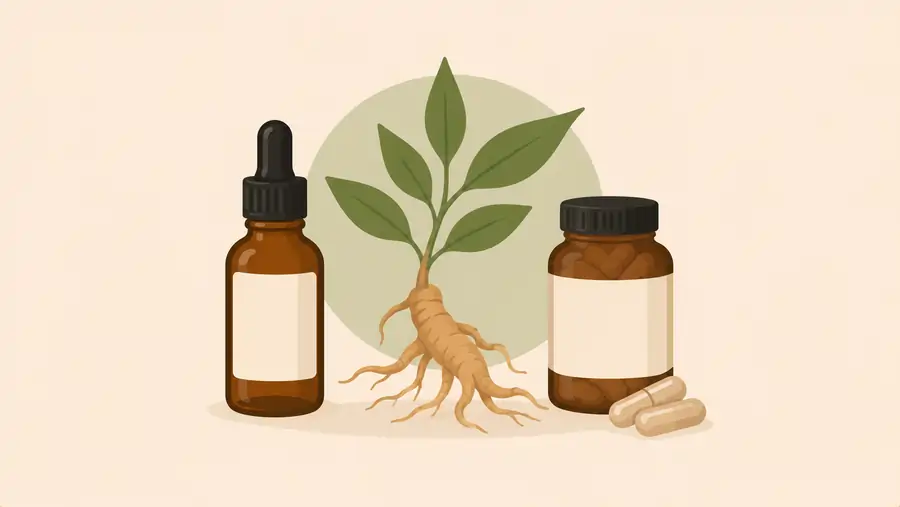
Tongkat Ali, Longjack, and Eurycoma longifolia often refer to the same botanical ingredient, but they are not the same kind of label term. Tongkat Ali and Longjack are common names. Eurycoma longifolia is the botanical name used to identify the plant more precisely.
Pasak bumi is another regional name that may appear in product descriptions or traditional-use discussions. These names can point to the same plant, but the product still needs a full label review.
The practical answer
If you want to confirm the ingredient, look for Eurycoma longifolia on the Supplement Facts panel or ingredient list. Then check the plant part, extract type, serving size, other ingredients, and warnings.
Do not assume two products are equivalent because both say Tongkat Ali or Longjack.
Why the Botanical Name Matters
The botanical name matters because common names can vary by region, seller, and product category. Tongkat Ali, Longjack, Malaysian ginseng, and Pasak bumi may appear in different listings, but Eurycoma longifolia gives a clearer plant identity.
Botanical names help you compare a tincture to a capsule, a powder to an extract, or one marketplace listing to another. They also help you avoid confusing similar marketing names with the actual plant identity.
Read the full name
In Eurycoma longifolia, Eurycoma is the genus and longifolia is the species. Both words matter.
A label that says only “Longjack blend” without Eurycoma longifolia, plant part, or extract details gives you less information.
Common Names You May See on Product Labels
Product pages may use several names for the same ingredient. Some are common names, some are regional names, and one is the botanical name.
| Label term | Type of term | What it usually means | What to verify |
|---|---|---|---|
| Tongkat Ali | Common name | Often used for Eurycoma longifolia | Botanical name and plant part |
| Longjack | Common name | Another market name for the same plant | Whether it is single ingredient or blend |
| Eurycoma longifolia | Botanical name | Scientific plant identity | Root, extract, serving, warnings |
| Pasak bumi | Regional name | A name used in some Southeast Asian contexts | Current label and ingredient details |
| Malaysian ginseng | Marketing-style common name | May refer to Tongkat Ali in some listings | Do not confuse with true ginseng |
The safest comparison starts with Eurycoma longifolia, then moves to plant part and format.
What Plant Part Should You Look For?
Most Tongkat Ali products focus on the root. Labels may say Tongkat Ali root, Eurycoma longifolia root, dried root, root extract, root powder, or standardized extract.
The plant part matters because a product name alone does not tell you what material was used. Root wording is more specific than a broad phrase such as Tongkat Ali herb or herbal blend.
Dried root vs root extract
Dried root means the plant root was dried before use. Root extract means the root material was processed into an extract using a liquid or other extraction method.
These formats are not automatically interchangeable. Compare the label, serving size, and other ingredients.
Tongkat Ali Tincture, Capsules, Powder, and Blends Compared
Tongkat Ali can appear in several supplement formats. The format affects taste, serving style, portability, label wording, and comparison difficulty.
| Format | Common label wording | Main comparison point |
|---|---|---|
| Tincture | Liquid extract, drops, alcohol-free, glycerin, alcohol | Check base, serving size, plant part, taste |
| Capsules | Root powder, root extract, capsules, vegetarian capsule | Check capsule count and other ingredients |
| Powder | Dried root powder, root powder | Check serving measurement and taste exposure |
| Blend | Men’s health blend, testosterone booster, performance formula | Check every active ingredient, not only Tongkat Ali |
| Standardized extract | Extract ratio, standardized extract, percentage statement | Check what is standardized and how much per serving |
A product can use the same botanical name but differ in format, amount, carrier, and supporting ingredients.
How to Tell If It Is a Single-Ingredient Product or a Blend
A single-ingredient product should focus on Tongkat Ali or Eurycoma longifolia as the main dietary ingredient. It may still include capsule shell materials, glycerin, water, alcohol, fillers, or flow agents, but it should not contain other active botanicals unless the label clearly lists them.
A blend combines Tongkat Ali with other ingredients. These may include herbs, minerals, amino acids, caffeine, adaptogen-style botanicals, libido formulas, testosterone-style ingredients, or performance blends.
Why this matters
If a product is a blend, you are not only evaluating Tongkat Ali. You are evaluating the full formula.
That means every ingredient can bring its own effects, side effects, interactions, taste, allergen concerns, and warning statements.
What Does “Testosterone Booster” Wording Tell You?
“Testosterone booster” is marketing or category wording. It does not confirm that a product contains only Tongkat Ali, and it does not prove a medical result.
Some products that use testosterone-style language may include several active ingredients. Those extra ingredients can matter as much as Eurycoma longifolia itself.
Read claims carefully
Be cautious with claims about testosterone, libido, fertility, muscle, energy, performance, mood, strength, or rapid results. These claims do not replace a label review or professional guidance.
Supplements should not be used to treat, cure, prevent, diagnose, reverse, detox, cleanse, flush, or manage a health condition.
What Other Ingredients Should You Watch For?
If a product is not single ingredient, check every active component. Men’s health and performance products may combine Tongkat Ali with other botanicals, minerals, amino acids, stimulants, or proprietary blends.
Look for ingredients such as maca, ashwagandha, tribulus, fenugreek, ginseng, horny goat weed, zinc, magnesium, boron, caffeine, yohimbe, or proprietary blends. This is not a complete list, but it shows why the full label matters.
Proprietary blends need extra caution
A proprietary blend may group several ingredients together. It may show the total blend amount while hiding individual amounts.
If you cannot tell how much of each ingredient is present, ask the brand before buying.
What Does Extract Ratio Mean?
Some labels show an extract ratio, such as 10:1, 20:1, or another ratio. This can describe the relationship between raw plant material and final extract. It does not automatically prove quality or suitability.
Ratio terms are easy to misunderstand. A higher-looking ratio is not always better. You still need serving amount, plant part, extraction details, and warning context.
Ask what the ratio means
If the ratio is important to you, ask the seller whether it refers to root material, dry weight, finished extract, or another specification.
Do not compare two products by ratio alone.
What Does Standardized Extract Mean?
Standardized extract means the product is made to contain a defined amount of a marker compound or group of compounds. The label should identify what is standardized and how much is present.
If a product only says standardized without explaining the marker, the term is less useful.
Standardized does not mean risk-free
Standardized extract can help with consistency, but it does not make the product suitable for every user.
Still check serving size, warnings, other ingredients, medication context, and health status.
Alcohol-Free Drops vs Capsules
Tongkat Ali may appear as alcohol-free drops, alcohol-based tinctures, capsules, or powders. Alcohol-free drops often use vegetable glycerin and water. Capsules use a capsule shell and may contain powder or extract.
HerbEra’s label context is helpful here because format words should be read alongside botanical identity: Eurycoma longifolia tells you the plant, while drops, capsules, root extract, alcohol-free, and serving size tell you the product format.
Format affects routine
Drops may have stronger taste and flexible serving language. Capsules may reduce taste exposure and feel more portable.
Choose based on label facts, not only the product name.
Who Should Ask Before Using Tongkat Ali Products?
Ask a qualified healthcare professional before using Tongkat Ali, Longjack, or Eurycoma longifolia products if you are pregnant, nursing, trying to conceive, taking medication, managing a medical condition, preparing for surgery, buying for a child, or using multiple supplements.
Also ask first if you have hormone-sensitive concerns, prostate concerns, liver or kidney concerns, mood or sleep concerns, heart-related concerns, blood pressure concerns, or a history of strong reactions to supplements.
Bring the exact label
Bring the product name, Supplement Facts, other ingredients, plant part, extract ratio, serving directions, warnings, lot number, and expiration date.
A clinician or pharmacist cannot evaluate the product well from the name Tongkat Ali alone.
Label Red Flags Before You Buy
Red flags include no botanical name, no plant part, no Supplement Facts panel, vague proprietary blend language, no serving size, no warning section, aggressive medical claims, unclear extract ratio, missing expiration date, no lot number, and product images that conflict with the description.
Be especially careful if the product uses strong testosterone or male-performance language but does not clearly show whether it is single ingredient or a blend.
Do not guess through gaps
Ask the seller for a current full label photo and ingredient details. If the answer is vague, choose a clearer product.
Clear labels make better comparisons.
Questions to Ask Before Buying
Ask direct questions if the product page mixes common names, botanical names, and aggressive claims. A useful answer should clarify the plant identity, plant part, format, serving size, extract details, and whether other active ingredients are included.
Do not accept broad phrases such as premium, potent, ancient, natural, or men’s support as substitutes for label facts.
Useful support questions
Ask: “Is the botanical name Eurycoma longifolia?” Ask: “Is the plant part root?” Ask: “Is this a single-ingredient product or a blend?” Ask: “What does the extract ratio mean?” Ask: “What other active ingredients are included?”
Also ask whether the current bottle label matches the product page.
Checklist: How to Read Tongkat Ali, Longjack, and Eurycoma Longifolia Labels
Use this checklist before buying a Tongkat Ali product. It helps you confirm whether the product is the same ingredient, whether the botanical name matches, and whether the formula includes other active components.
Find the botanical name
Look for Eurycoma longifolia on the Supplement Facts panel or ingredient list. This is the clearest plant identity term.
Match common names
Check whether Tongkat Ali, Longjack, Pasak bumi, or Malaysian ginseng appear. Treat them as clues, not full proof.
Confirm the plant part
Look for root, dried root, root extract, or root powder. Plant part wording tells you what material was used.
Identify the format
Check whether the product is a tincture, capsule, powder, alcohol-free extract, alcohol extract, or blend.
Check single ingredient vs blend
Look for other active ingredients. A testosterone-style blend may include several components beyond Tongkat Ali.
Review serving directions
Compare serving size, capsule count, drops, milliliters, daily frequency, timing, and duration wording.
Read warnings carefully
Check cautions for medication use, pregnancy, nursing, medical conditions, children, surgery, and hormone-related concerns.
Question strong claims
Be cautious with aggressive testosterone, performance, libido, muscle, or energy claims. Claims do not replace label facts.
FAQ
Is Tongkat Ali the same as Longjack?
Often yes. Tongkat Ali and Longjack are common names that often refer to Eurycoma longifolia, but the product label still needs review.
What is Eurycoma longifolia?
Eurycoma longifolia is the botanical name commonly used for the plant sold as Tongkat Ali or Longjack.
What does Pasak bumi mean?
Pasak bumi is a regional name that may appear in descriptions of Tongkat Ali or Eurycoma longifolia products.
What plant part should I look for?
Look for root, dried root, root powder, or root extract. Root wording is common on Tongkat Ali labels.
Is a testosterone booster label the same as Tongkat Ali?
No. A testosterone-style product may contain Tongkat Ali plus other active ingredients, so check the full formula.
Are Tongkat Ali capsules and tinctures the same?
Not automatically. They may use the same plant, but serving size, format, base, and other ingredients can differ.
Does a higher extract ratio mean better quality?
Not necessarily. Ratio alone does not prove quality or suitability. Check serving size, plant part, and full label details.
Who should ask before using Tongkat Ali?
Ask first if you take medication, have a medical condition, have hormone-related concerns, are pregnant or nursing, or use several supplements.
Can Tongkat Ali be used for a medical condition?
Do not use it to treat, cure, prevent, diagnose, reverse, detox, cleanse, flush, or manage any condition.
Glossary
Tongkat Ali
A common name often used for Eurycoma longifolia in supplement products.
Longjack
Another common market name often used for the same botanical ingredient.
Eurycoma longifolia
The botanical name that identifies the plant more precisely than common names.
Pasak bumi
A regional name that may appear in product descriptions or traditional-use contexts.
Dried root
Root material that has been dried before use in a powder, extract, capsule, or tincture.
Root extract
An extract made from the root material of the plant.
Single-ingredient product
A product where one main botanical is the active dietary ingredient.
Blend
A formula that combines several active ingredients in one product.
Extract ratio
A label term that may describe the relationship between starting plant material and finished extract.
Supplement Facts
The label panel that lists serving size, dietary ingredients, and amounts per serving for a supplement.
Conclusion
Tongkat Ali vs Longjack vs Eurycoma Longifolia comes down to label terminology, not marketing claims. Confirm the botanical name, root wording, format, serving size, blend status, warnings, and red flags before you buy.
Sources Used
Consumer overview noting Eurycoma longifolia product claims and multi-ingredient supplement cautions, Tongkat Ali Overview — WebMD
Botanical identity reference for Eurycoma longifolia, Eurycoma longifolia plant profile — Plants of the World Online
General dietary supplement labeling guidance, Dietary Supplement Labeling Guide — FDA
Consumer guidance on supplement use and label reading, Dietary Supplements: What You Need to Know — NIH Office of Dietary Supplements
General supplement safety and clinician discussion guidance, Using Dietary Supplements Wisely — National Center for Complementary and Integrative Health
General medication and supplement review context, Safe Use of Medicines — MedlinePlus